Table of Contents
Information Board 4
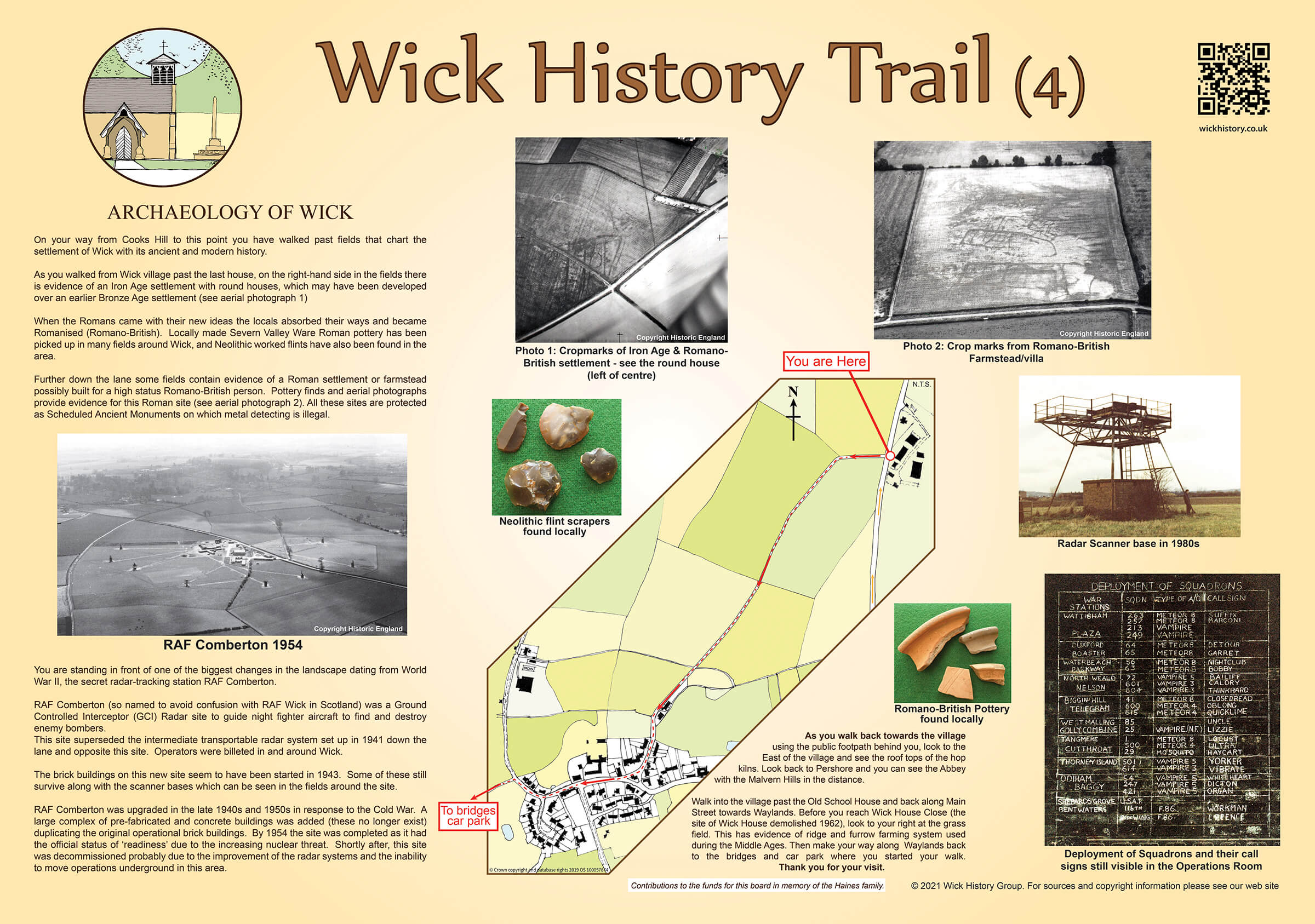
Located down Cooks Lane, outside Glenmore Farm gate.
Archaelogy of Wick
On your way from Cooks Hill to this point you have walked past fields that chart the settlement of Wick with its ancient and modern history.
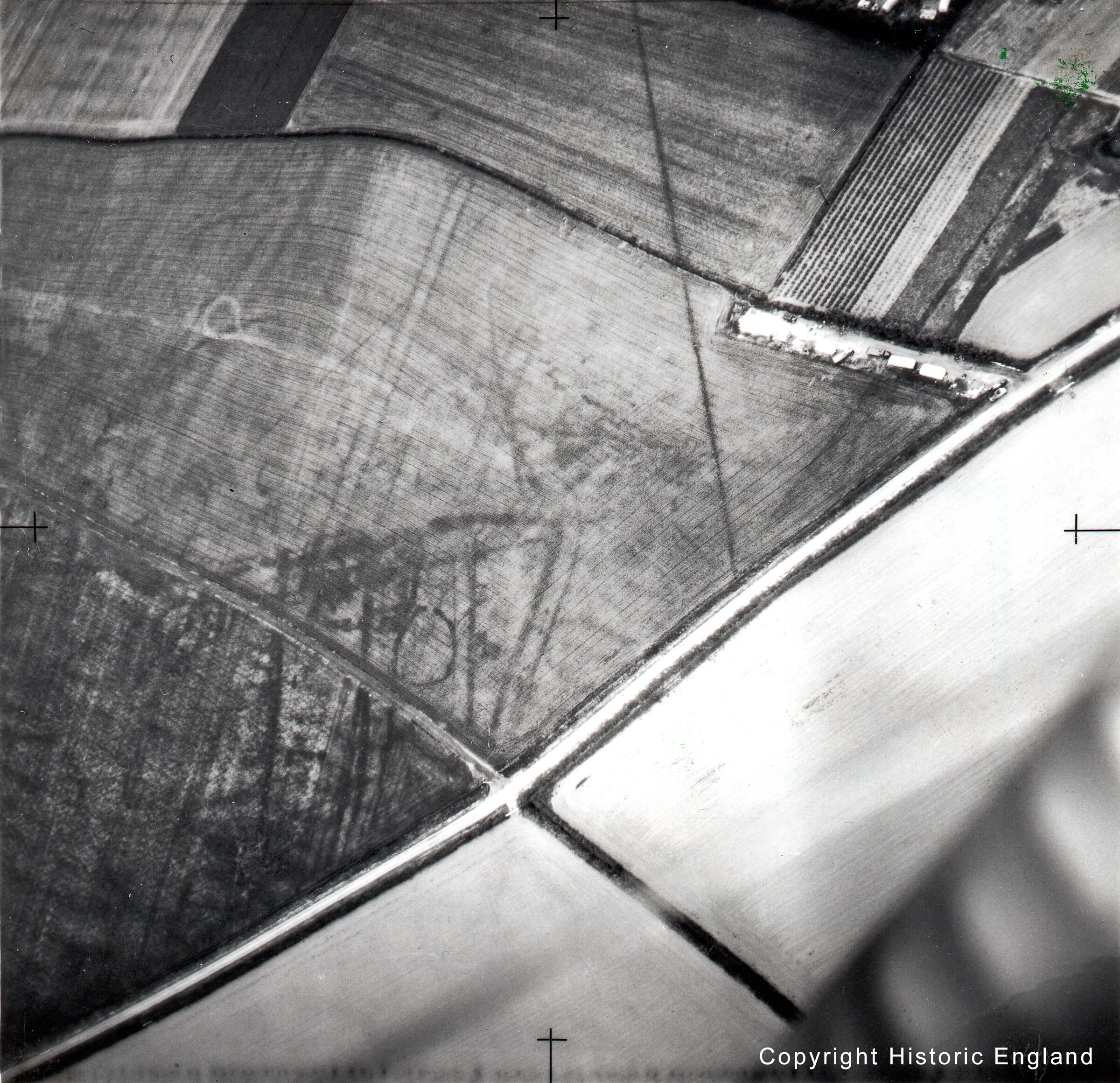
As you walked from Wick village past the last house, on the right-hand side in the fields there is evidence of an Iron Age settlement with round houses, which may have been developed over an earlier Bronze Age settlement (see aerial photograph 1)
When the Romans came with their new ideas the locals absorbed their ways and became Romanised (Romano-British). Locally made Severn Valley Ware Roman pottery has been picked up in many fields around Wick, and Neolithic worked flints have also been found in the area.
Further down the lane some fields contain evidence of a Roman settlement or farmstead possibly built for a high status Romano-British person. Pottery finds and aerial photographs provide evidence for this Roman site (see aerial photograph 2). All these sites are protected as Scheduled Ancient Monuments on which metal detecting is illegal.
 4 Photos - Click to View
RAF Comberton
You are standing in front of one of the biggest changes in the landscape dating from World War II, the secret radar-tracking station RAF Comberton.
RAF Comberton (so named to avoid confusion with RAF Wick in Scotland) was a Ground Controlled Interceptor (GCI) Radar site to guide night fighter aircraft to find and destroy enemy bombers.
This site superseded the intermediate transportable radar system set up in 1941 down the lane and opposite this site. Operators were billeted in and around Wick.
The brick buildings on this new site seem to have been started in 1943. Some of these still survive along with the scanner bases which can be seen in the fields around the site.
RAF Comberton was upgraded in the late 1940s and 1950s in response to the Cold War. A large complex of pre-fabricated and concrete buildings was added (these no longer exist) duplicating the original operational brick buildings. By 1954 the site was completed as it had the official status of ‘readiness’ due to the increasing nuclear threat. Shortly after, this site was decommissioned probably due to the improvement of the radar systems and the inability to move operations underground in this area.
After the radar tracking station at Wick became decommissioned it was sold back in the late 1950s early 1960s to Fredrick Haines from Glenmore farm Wick. It was then used for his farming and market gardening business, mainly for storage of hay and straw, cabbage and onion crates and for washing and packing of onions. Some cattle were housed in one of the buildings over the winter and buildings were used for general storage. Over the next 25 years the prefabricated buildings became dilapidated and unsafe it was becoming an eyesore and a worry as to what to do with the site, it would be expensive to remove the asbestos prefabs. It was eventually decided to move Glenmore farm from the site in the middle of Main street Wick as it was becoming obvious that keeping large amounts of cattle in the middle of an increasingly affluent village was not practical. The old farmyard in the village was sold for housing (now Catherine Court) and Glenmore farm moved lock stock and barrel to the old RAF site.
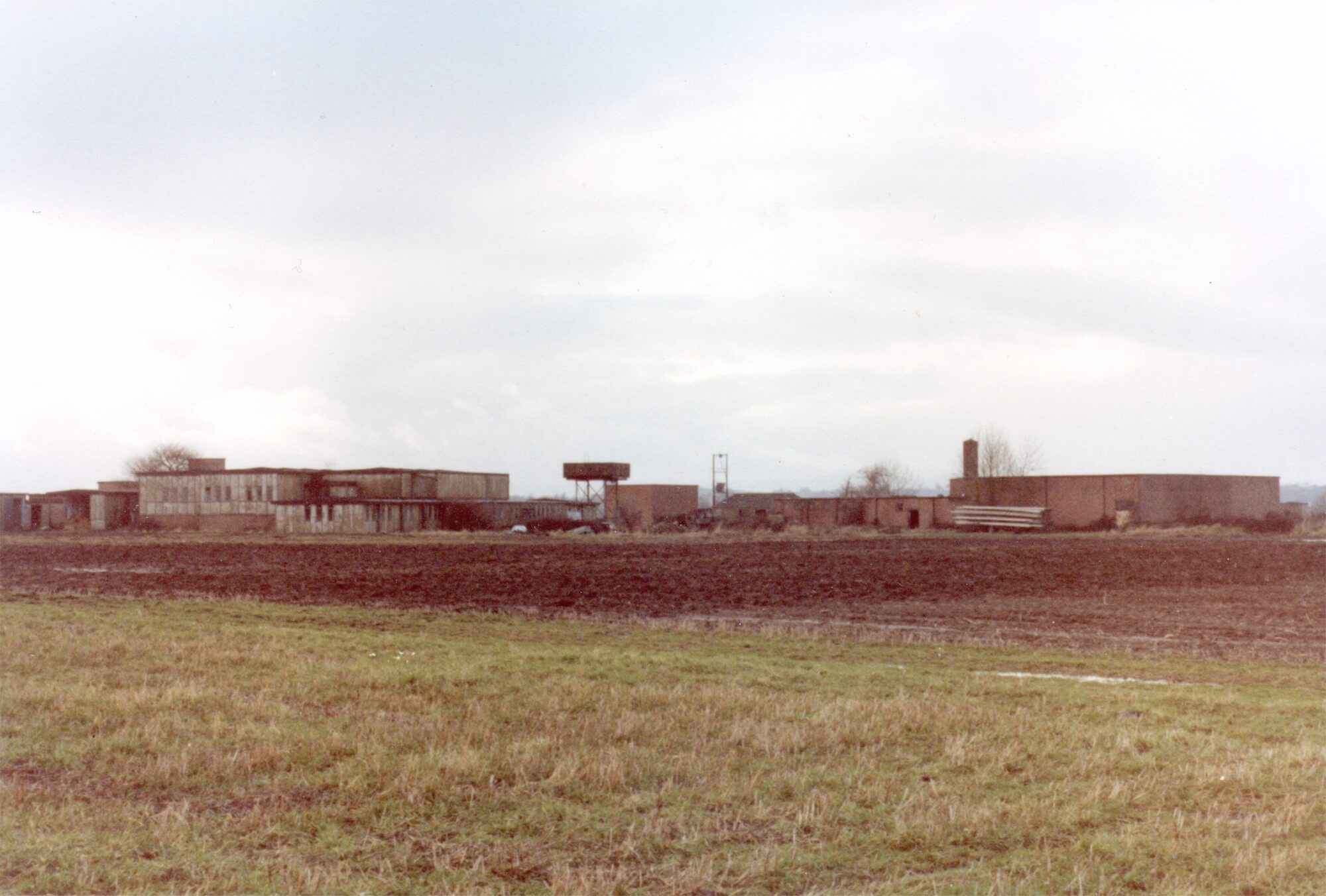
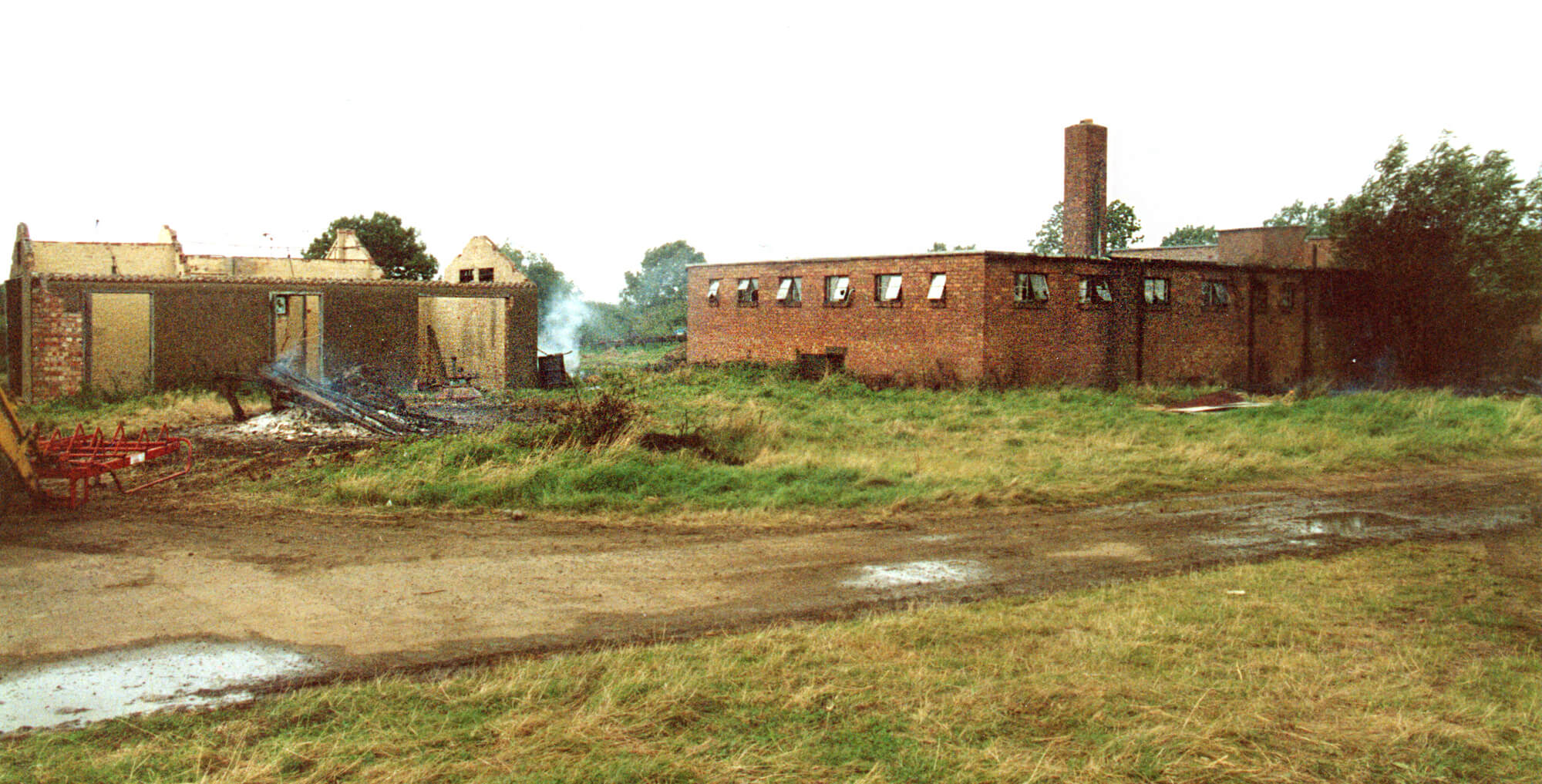
The following photographs detail what was left of RAF Comberton in the early 1980s and what buildings were removed and what was retained and reutilised to create the new Glenmore farm.
Photos of Site and Radar
Most of the brick buildings were retained. The large square building already divided in to two sides was converted into a grain store and a potato store both with ventilated drive over floors, there were large doorways made to access large vehicles. This building used to be one of the operations rooms.
 10 Photos - Click to View
Photos of Brick Operations Room
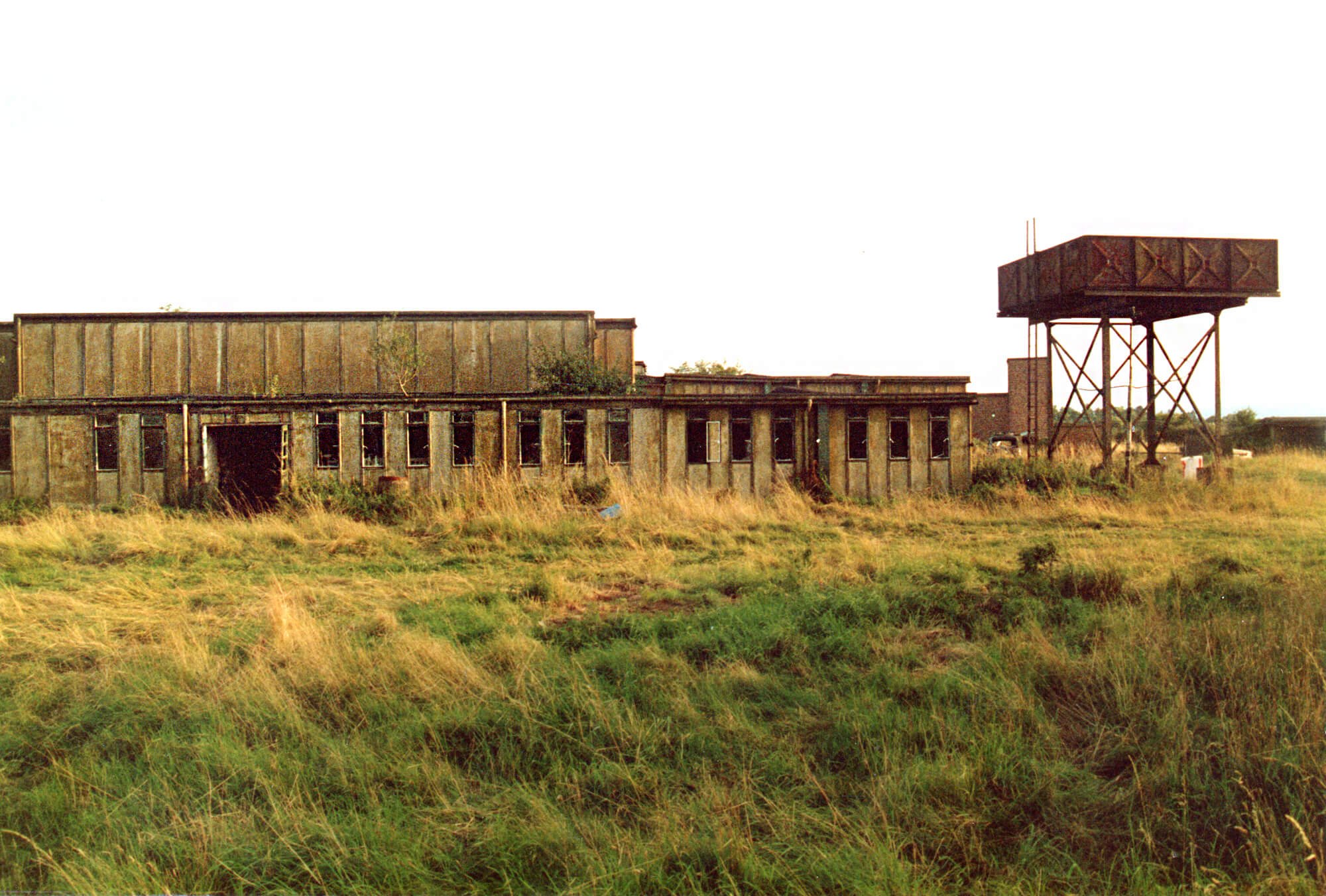
The other operations room being a prefabricated building, this was removed and made way for a large cattle building reutilising the old concrete floors.
 17 Photos - Click to View
Photos of Prefabricated Operations Room
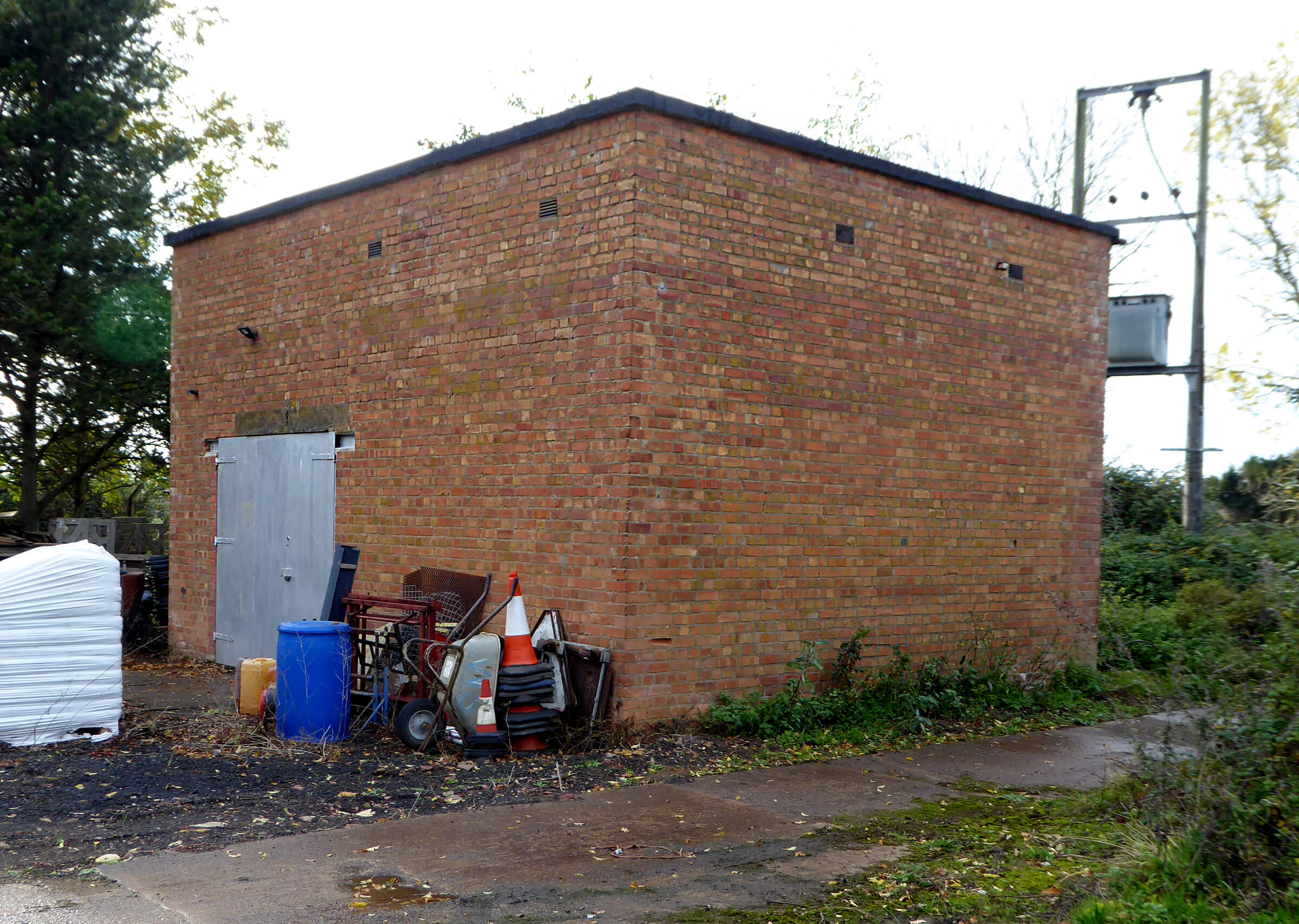
The smaller brick building was the old electric shed is now a workshop and store.
 12 Photos - Click to View
Photos of Small Building
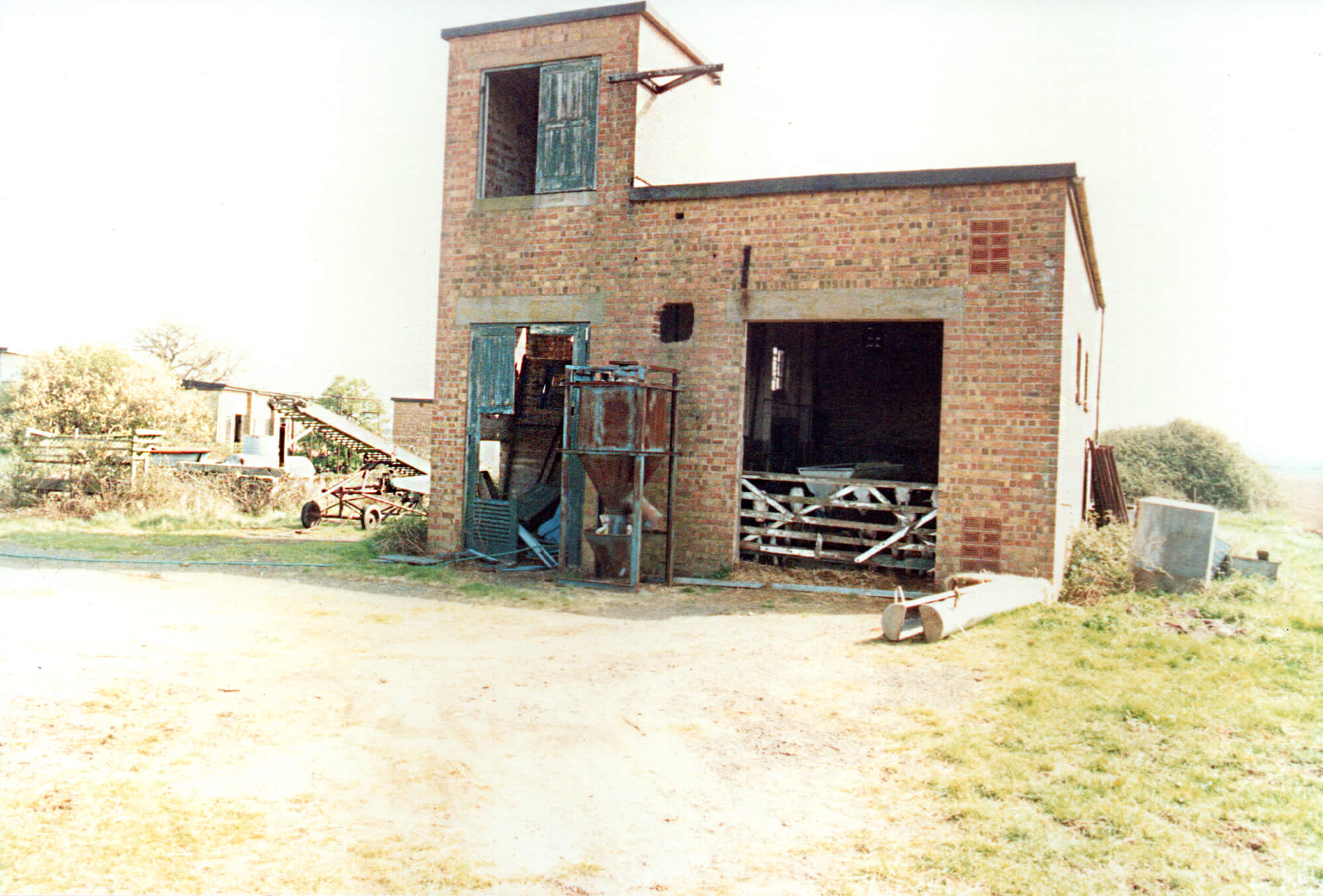
The building with the tower was the standby generator building, the tower contained water tanks for cooling the generator. This building is now a farm workshop and store.
 2 Photos - Click to View
Photos of Tower Building
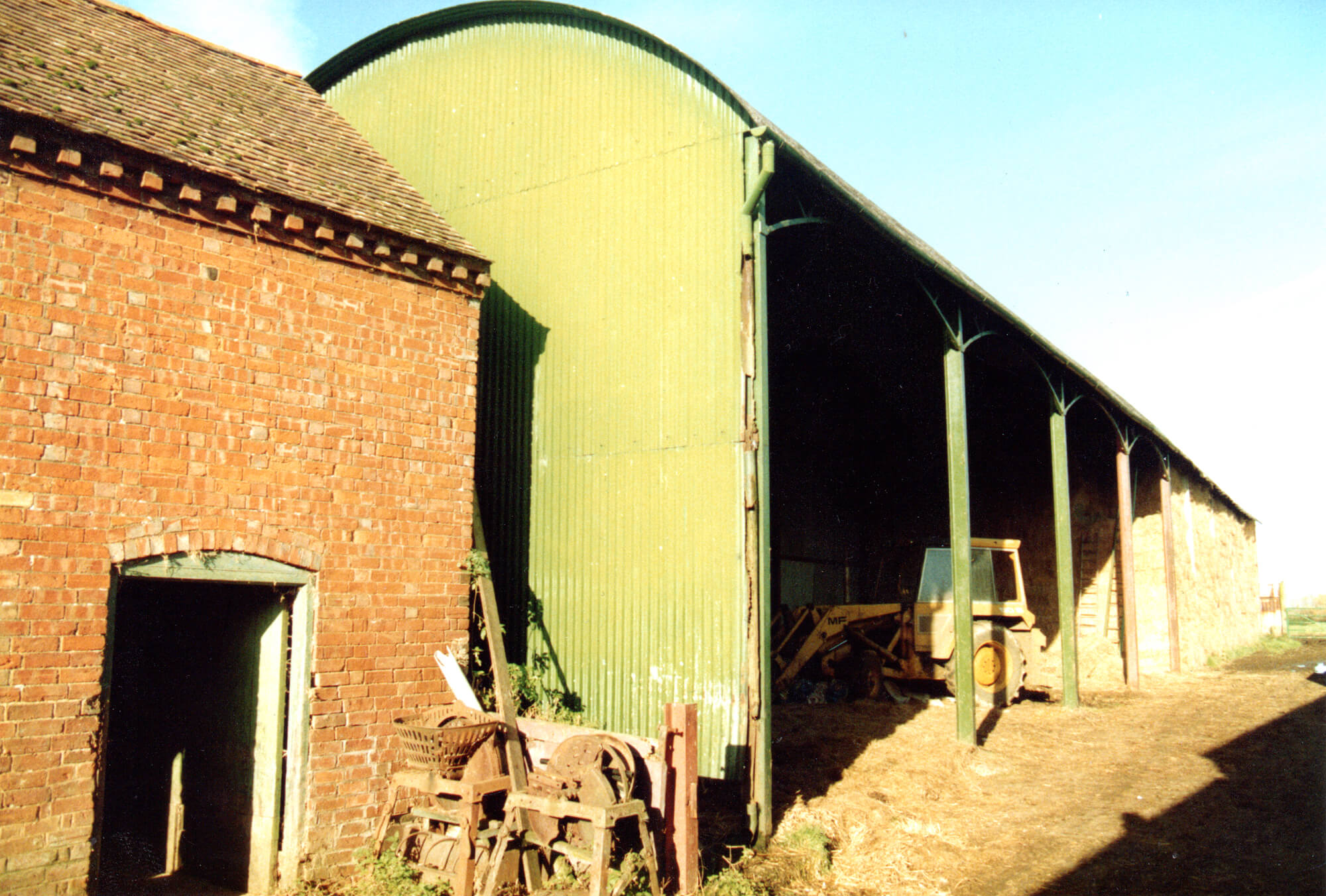
There is a small brick building in the centre of the yard, this was the old pump house for the sewer. Two concrete portal barns and a Dutch barn came up from the old farmyard they were placed over areas used by old prefabs to reutilise the concrete platforms these are tractor and implement sheds.
 4 Photos - Click to View
Photos of Prefab and Dutch Barns from Old Glenmore Farm
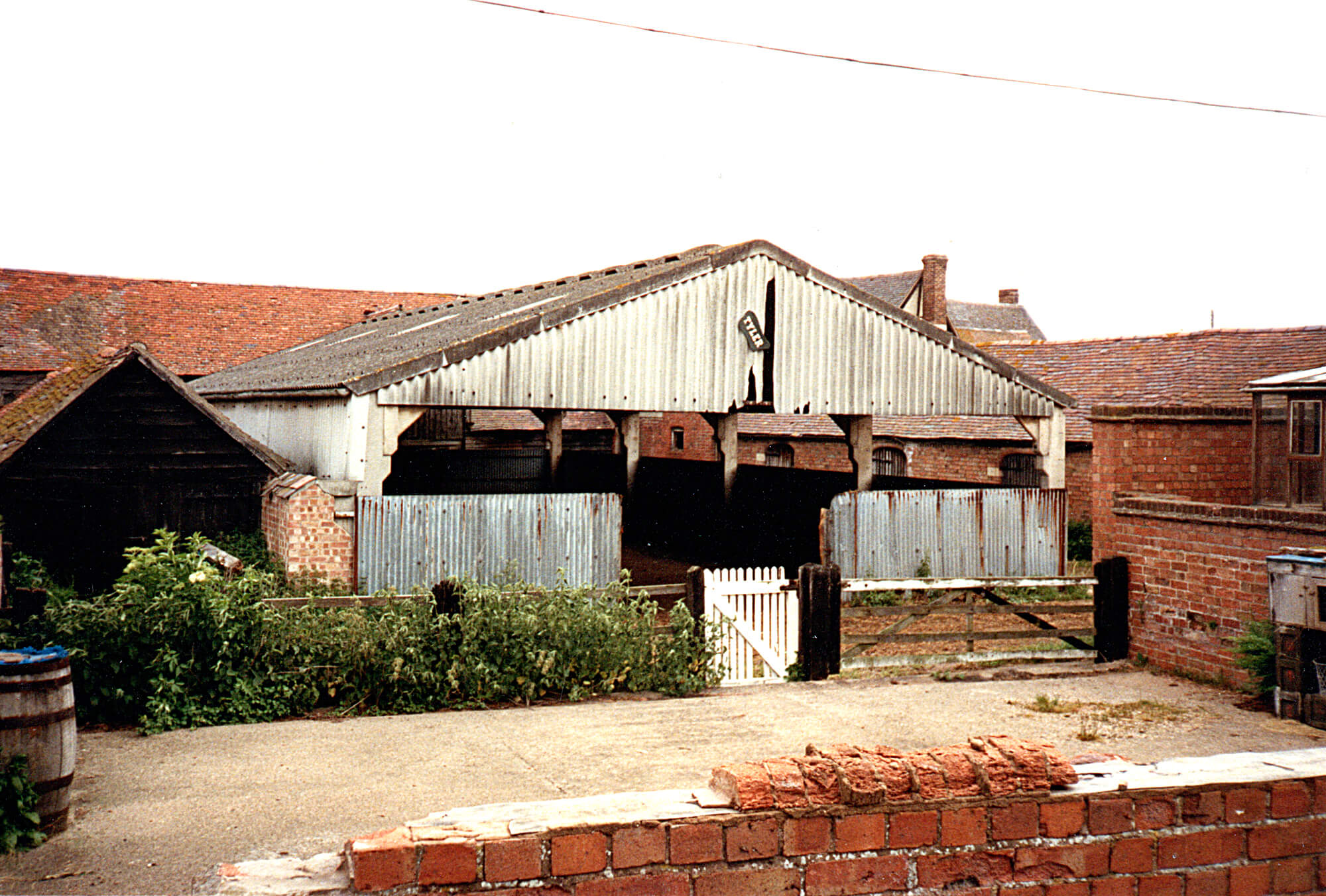
A smaller concrete portal barn was bought up from the old yard from Woodwards farm in Wick, this was put on the north end of the area that had contained the large area of prefabricated building this was used as a calf house but is now for storage.
 7 Photos - Click to View
Photos of Barn in Woodwards Yard and on New Site
A large open span cattle building was placed over the large area of concrete left by the removal of the large prefabricated operations room. This building was used for housing up to 170 cattle during the winter months.
 7 Photos - Click to View
Building Layout
The footprint of the farmyard follows the same footprint of the original RAF site.
- Building Layout [PDF / 1.4Mb]