About Wick
Wick is a small rural village located in the Vale of Evesham, Worcestershire and nestled in a loop of the River Avon 2.5 km to the East of Pershore.
Step back in time... Wychavon District Council and Wick Parish Council invite you to explore the rich history of Wick, a small rural village in the Vale of Evesham, Worcestershire.
Wick is a small rural village located in the Vale of Evesham, Worcestershire and nestled in a loop of the River Avon 2.5 km to the East of Pershore.
| Prehistoric | Hunter gatherers (worked flints have been found in fields) |
|---|---|
| Bronze Age | Settlements and farming begins. |
| Iron Age | Continued settlement (shown on aerial photographs). |
| Romano-British | Local people become romanised and take on Roman ways. (Roman pottery has been found in surrounding fields). |
| Saxon 709 AD | Records mention that Saxon farms along the banks of the River Avon were given to Bishop Egwin to support Evesham Abbey. Several farms made up the Saxon village of Wickwane. Wick was re-granted to Pershore Abbey in 972. |
| 972 -1066 AD | These were unsettled times with Viking raids coming along the River Avon laying waste to towns and countryside creating great fear. At this time Wick formed part of the Abbot of Westminster’s manor of Pershore, having been confiscated by Edward the Confessor during the later part of the 11th century. |
| 1086 AD | The Norman conquest in 1066 changed the old order.Domesday Book records the first inventory of Wick in 1086, when Wick supported around 100 inhabitants with about 600 acres. Records state that lands, previously held by Anglo-Saxons Tor and Osward, were now held by the Norman lord, Gilbert and one of William the Conqueror’s marshalls, Urso, the hated Urse d’Abitot. In later times this manor became known Wyck Waryn, the rest of the estate was still held by the Abbot of Westminster in demense. |
| 1160 AD | The two manor houses continued in various forms on the same sites on into the 20th century. The Arts and Crafts style manor house behind you was built around 1925. This incorporated the Georgian house and is still thought to contain parts of the medieval manor house of Wike Burnell within it. |
| 1540 AD | Wyke Waryn was bought by Edward Hazelwood of Offenham from Richard Neville, one of the great Warwick family. Wike Burnell had once been the property of Katherine Parr and was given by Elizabeth 1 to her favourite Sir Walter Raleigh - sometime later it was back in the ownership of the Crown. |
| 1586 AD | The manor of Wike Burnell was bought from the Crown by Edward Hazelwood’s son, Fawlke Hazelwood. Subsequently, his son Thomas Hazelwood became lord of both manors. The combined manors of Wick stayed in the Hazelwood family for around two hundred years. |
| 1728 AD | The Evesham to Wick (and later Pershore) Turnpike road, now the B4084 was authorised by Act of Parliament. This road bisected many fields to the south of the village Street, replacing the old London Road, which ran through the grounds of the present college at Avonbank. |
| 1745 AD | Being heavily in debt James Hazelwood sold both manors, plus holdings in Binholm, to Reverend Bernard Wilson DD of Newark-upon-Trent for £19,379 14s 2d. |
| 1772 AD | Reverend Wilson died, and his Wick estates passed to his nephew Robert Wilson Cracraft, although he never lived there. |
| 1776 AD | The Wick manor estates were sold to Richard Hudson and he paid £17,960 for them. The Hudson family still live and farm in the Parish of Wick. |
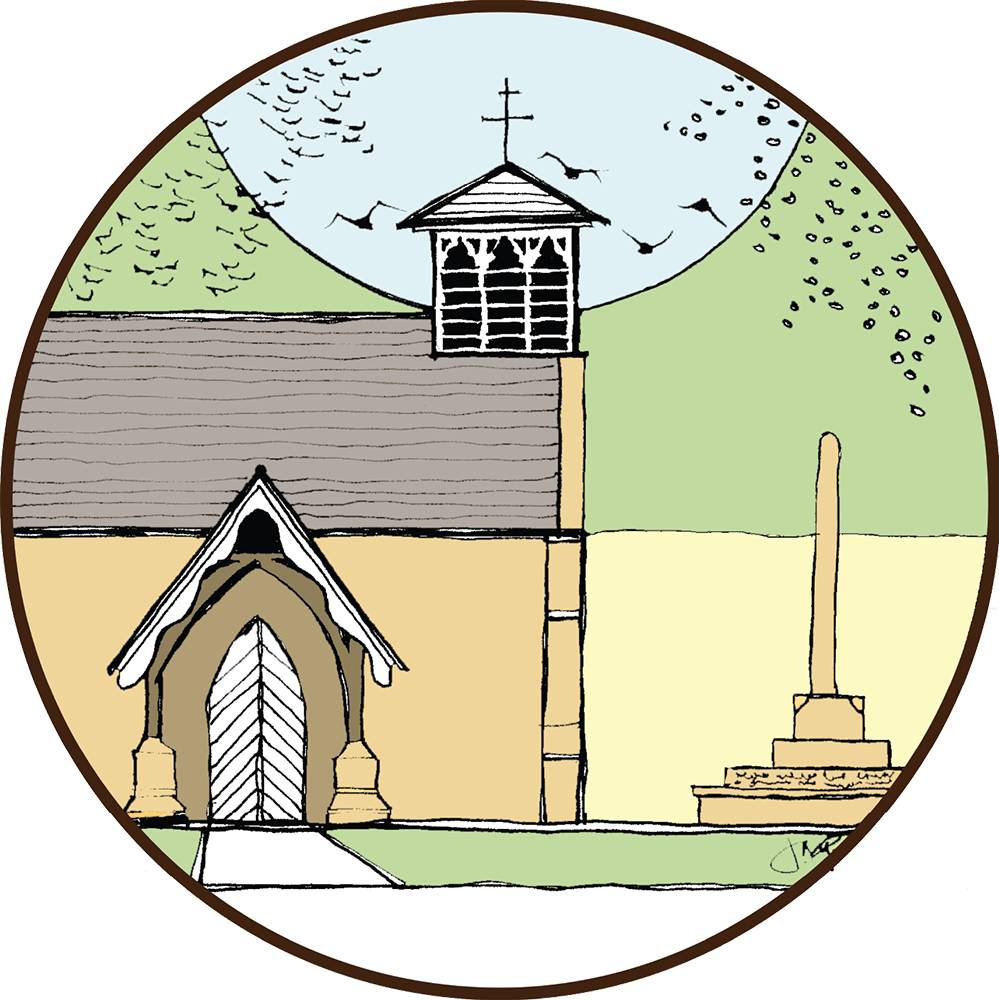
| Victorian | The Church was thoroughly restored and enlarged in Victorian times, costing £1,600 but it still retains some of the original Saxon and Norman features. The vicarage, St Mary's, was built in 1889 at a cost of £1,710. You can also see the old preaching cross in the adjacent field. We do not know its exact age or history, but it has seen the owners of the manors of Wick come and go and villagers toiling in the surrounding fields for many hundreds of years. |